Our team provides training in captive wild animal management practices to help support improvements in zoo animal welfare. Our training covers all aspects of animal care within zoos, from healthcare and veterinary techniques, to animal nutrition and behaviour and species-specific care.
Wild Welfare’s training is theoretical and practical-based and centred on creating environments to instil confidence, encourage inclusivity and focus on problem-solving activities which can help individuals learn complex topics more easily.
We train zoo keeping teams, veterinarians, students and zoo management staff and our workshops and presentations help form part of the long-term improvements we make within zoos around the world.
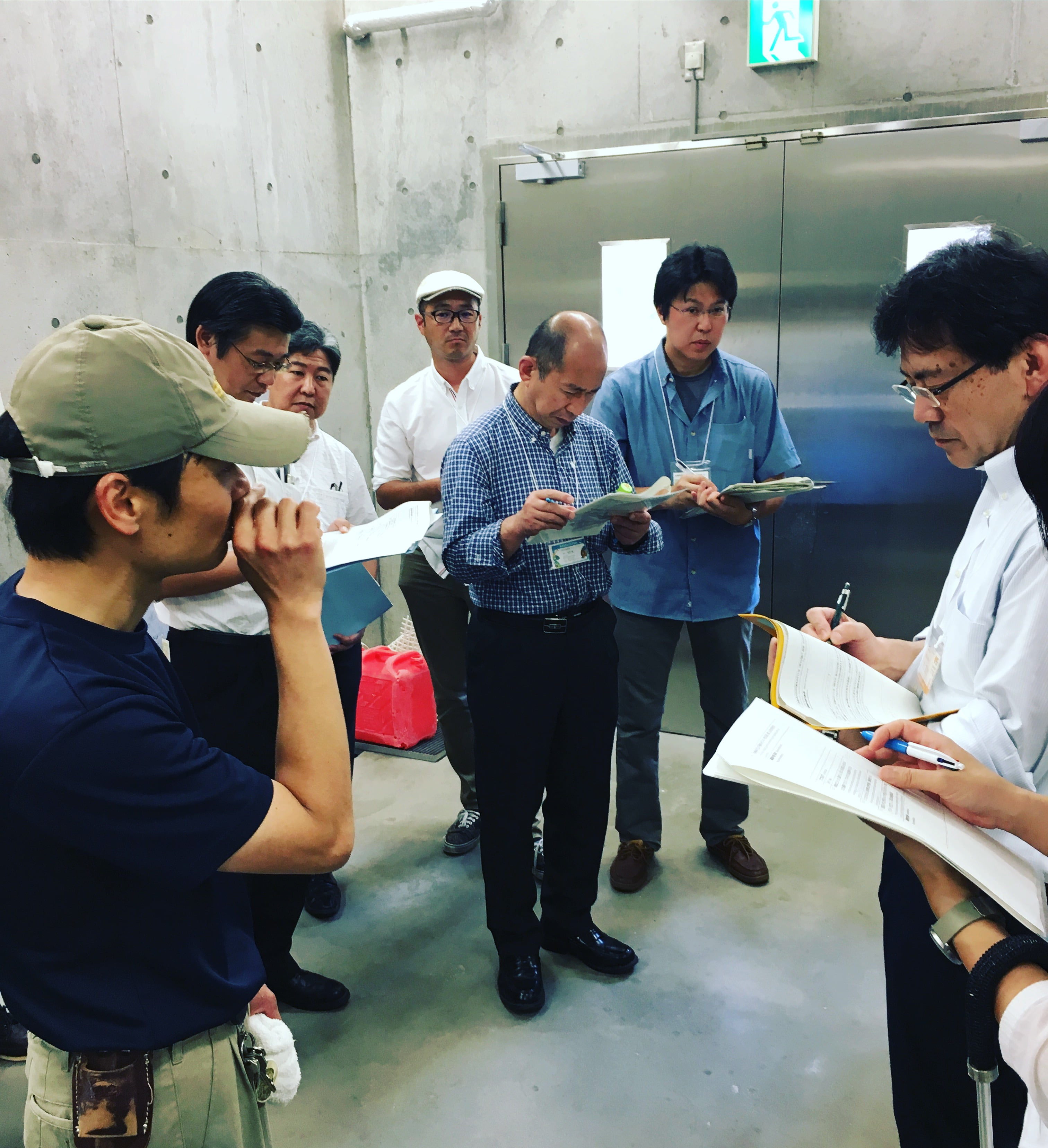
Wild Welfare’s practical welfare assessment tools help identify specific welfare concerns within a facility housing captive wild animals. With full cooperation with a zoo, we conduct our welfare assessments which look at all aspects of the zoo management and resource processes that can lead to poor animal welfare.
We tailor assessments to a facility’s needs, depending on whether we are generating an initial report on animal care opportunities and any gaps in welfare, or as part of a regional association’s welfare programme or any national animal welfare regulations in place.
Animal welfare evaluations are done with audits and assessments which help individual facilities, or a group of facilities such as those belonging to a regional association, better understand how their animal care, husbandry, and management practices affect animal welfare and well-being. Wild Welfare uses two methods of evaluation. The first is an individually tailored welfare assessment tool which can be carried out as a 3rd party assessment or used in-house for self-evaluation following requisite training. And the second, a welfare audit, which is a 3rd party audit against a recognized and accepted standard.
A tried and tested procedure for improving professional practices across an industry is to assimilate best practices into an industry standard; this standard is then used to assess (audit) facilities and organizations. The International Organization for Standardization (ISO) outlines the requirements of this method in ISO19011, “Guidelines for auditing management systems” (2018) where “Standard” and “Audit” are defined respectively as ”a level of quality or attainment, and used as a measure, norm or model in comparative evaluations” and “a systematic, independent and documented process for obtaining audit evidence and evaluating it objectively to determine the extent to which Standard criteria are fulfilled”.
The ‘provision of good welfare for the wellbeing of captive animals’ can be classified as a ‘quality control management system’ per ISO19011; based on this, Wild Welfare developed a third party, Standard-driven audit which uses our own Core Standard of Welfare Practice for Captive Animals. This process provides a robust, evidence-based procedure for the systematic and forensic auditing of captive animal welfare. These audits identify opportunities for welfare improvement and provide a path for facilities to make enhancements.
Our Core Standard is derived from current and prevailing trends and published literature which is applicable to animals in any captive situation. The Core document is divided into two main sections. The first section, Prescriptive Core Standard, describes essential provisions regarded as mandatory and fundamental to animal wellbeing. Any facility audited against this Standard must demonstrate operational compliance with the statements in this section. The second section, Derivational Information, provides justification and references for the mandatory requirements outlined in the first section.
Wild Welfare has used this approach for over a decade and our highly trained auditors are experienced professionals in animal welfare. We have directly audited individual zoos, aquariums, rescue centers and sanctuaries all over the world. Additionally, we have assisted several prominent regional and national zoo associations in the development their own welfare accreditation processes.
Learn More on our Animal Welfare Assessment page.


